BACKGROUND
Over the years, Hale Community Support has continued to evolve and adapt to the ever‑changing disability and healthcare landscape, both in Australia and globally. Since 2011, the organisation has gone from strength to strength, growing from a dedicated disability service into an approved NDIS provider and now also a PALM provider.
Our logo is designed to communicate this evolution.
Still shaped by the themes of prosperity, growth, and family, the logo reflects a new era for Hale. The one that better represents our core values, what we do, and how we operate. We sought an identity that conveys organisation and professionalism, while remaining warm, friendly, and approachable, and without compromising our central values of family, faith, respect, and love.
Although we were reluctant to move away from the original logo, which has served us well since our establishment, but we have recognised the need to modernise our look as part of our continuous service improvement. The refreshed logo symbolises our transition towards being not just a good provider, but a strong, contemporary, and trusted disability and PALM organisation.
Titled “Zero Tolerance of Abuse”, the logo’s colour palette was carefully chosen to align with the NDIS purple and to express rebirth, reinvention, and reinvigoration, reinforcing our commitment to safeguarding, inclusion, and the full participation of people with disability in their communities.
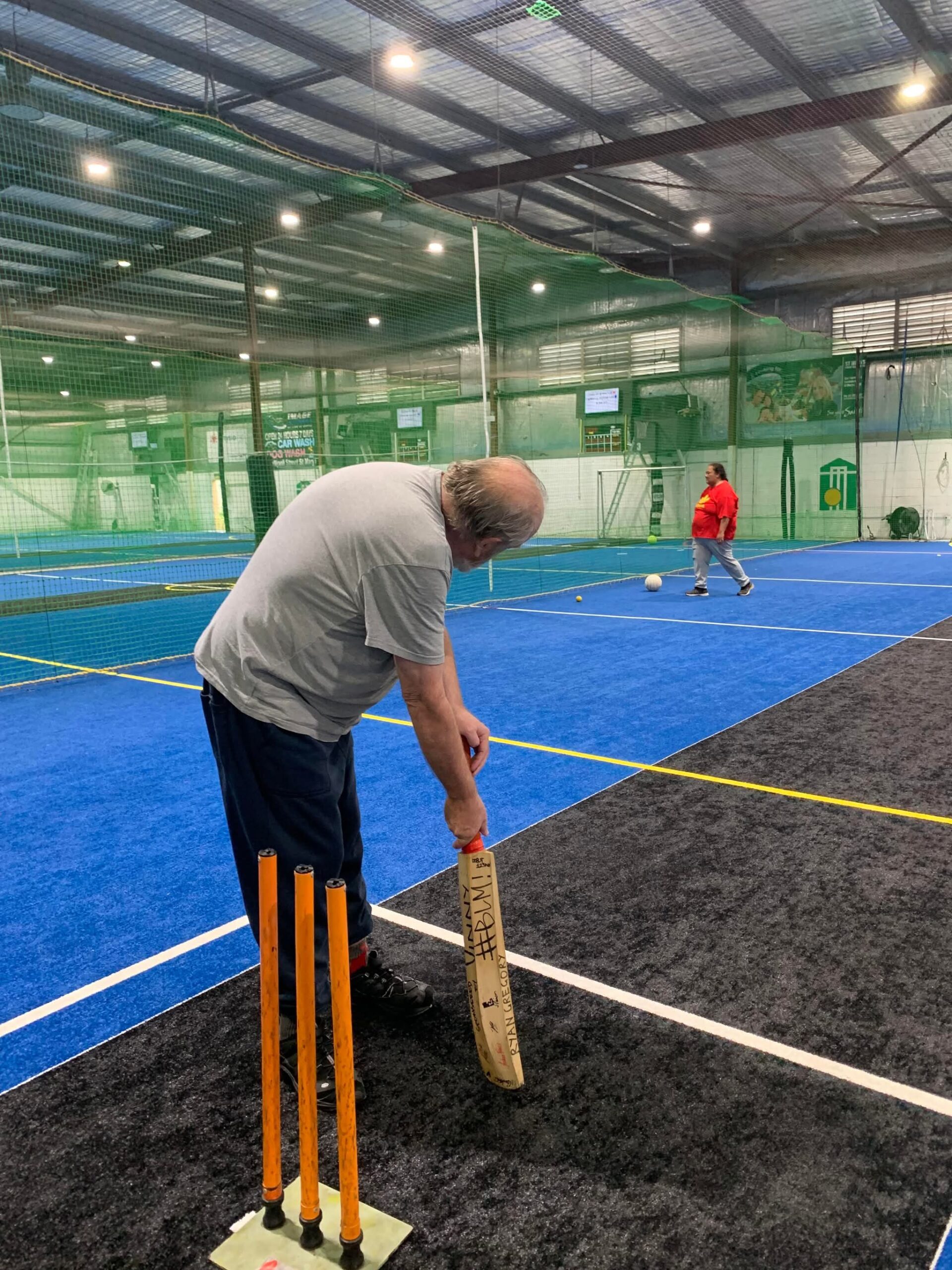
“Hale’s organisation framework is a dynamic, people-focused structure that integrates care, workforce supply, and community services. By combining flexibility with strong governance, Hale delivers consistent quality while adapting to the diverse needs of clients, families, and industries.”
We are experienced, reliable professionals who put people first. We take the time to listen to participants and their families, and we work alongside them to understand their goals, preferences, and cultural needs. Our supports are delivered through a person‑centred approach and a strengths‑based model, recognising each individual’s abilities and potential, and tailoring services to help them live the life they choose.
Hale Community Support (HCS/Hale) is a small-to-medium sized organisation where our team is calm, honest, and deeply committed to supporting participants, their families, and legal guardians. Hale was built not overnight, but through the dedication, sacrifices, and unwavering support of our employees, their families and the church community.
Our staff work together as a close-knit team, encouraging one another to reflect, grow, and strengthen their skills. This collaborative approach ensures that every team member recognises their strengths, addresses areas for development, and consistently delivers high-quality, compassionate support.
At Hale, we believe that care is more than a service — it’s a commitment to empowering people to live with confidence, independence, and dignity.
For enquiries or further information, please email hcsintake@halesupport.org.au or call 02 9625 5076.

Hale (means healthy and robust / free from illness). Hale, is short for the word Haleluka, our original location where it all started from.
Hale Community Support (HCS) formerly known as PISA was originally set up in 2009 as a voluntary peer support network that provides assistance to persons who have mental health problems but only from the Pacific Islands cultural background. It was an initiative from a small group of professionals who identified that there was a need to have a pacific island outreach community program providing an equitable, accessible and comprehensive mentoring and care program for the Pacific Island community. In 2013, the organisation opened up other opportunities and extended its service provision to assist families of people with disabilities and communities further. At the same time, a significant change was made to its name and a more community-based program developed as well. With the changes in place, the organisation’s main objective in making changes was to reflect all members of the society accessing our services but recognising all people from culturally and linguistically diverse backgrounds who are participants of the many different programs we have. Again, these changes allowed our programs and services to reach out to families living in difficult circumstances.